Feeding
How to Turn Family Meals Into Baby Meals (Without Cooking Twice)
One meal. Different serving styles. Less stress at the table.
One of the biggest surprises for many parents is how quickly feeding can become a full-time job.
You make breakfast for yourself. Then a separate breakfast for your baby.
Lunch for yourself. Lunch for your baby.
Dinner for the family. Another dinner for the baby.
Before long, it feels like you're cooking all day.
The good news is that most babies do not need completely separate meals.
With a few simple adjustments, many family meals can be adapted for babies, toddlers, and adults at the same table.
Start With the Family Meal
Instead of asking:
“What should I make for my baby?”
Try asking:
“What is the family eating, and how can I adapt it safely for my baby?”
This simple mindset shift can dramatically reduce the amount of cooking and meal planning you do each week.
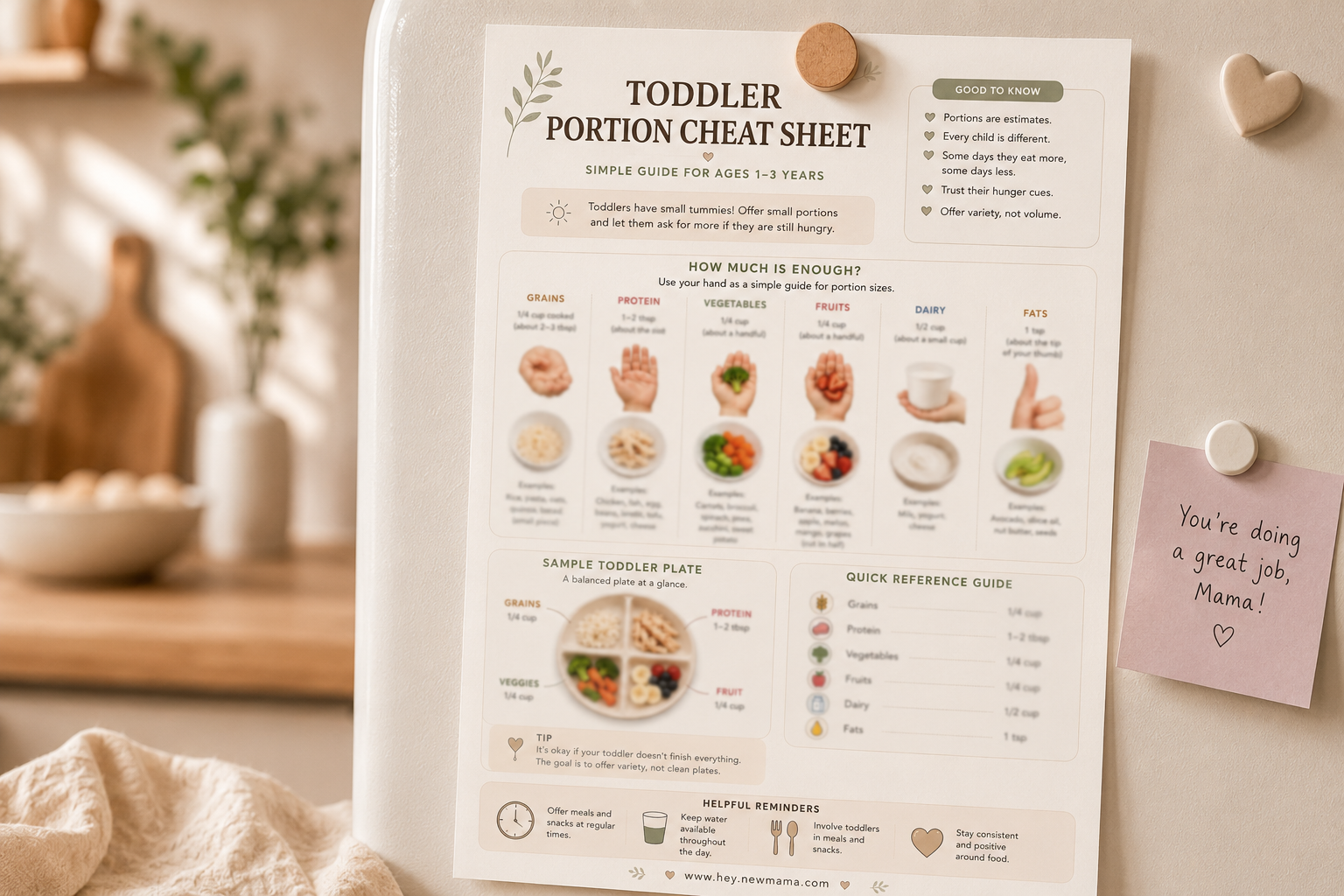
Build Meals Using Simple Components
Many family meals naturally include the building blocks babies need.
Look for:
Protein
Examples:
- Chicken
- Lentils
- Chickpeas
- Fish
- Eggs
- Tofu
- Yogurt
Vegetables
Examples:
- Carrots
- Zucchini
- Sweet potato
- Broccoli
- Cucumber
- Peas
Grain or Starch
Examples:
- Rice
- Pasta
- Bread
- Potatoes
- Oats
Healthy Fat
Examples:
- Yogurt
- Avocado
- Olive oil
- Nut butters (when age-appropriate)
You don't need a perfectly balanced plate at every meal. These components simply make meal planning easier.
Make Small Adjustments Instead of Separate Meals
Many family foods can be modified rather than replaced.
Examples:
Chicken, Rice, Cucumber, and Yogurt
Baby
- Shredded chicken
- Soft cucumber sticks or peeled cucumber
- Rice mixed with yogurt
Toddler
- Small pieces for self-feeding
Adults
- Regular serving
Lentils, Rice, and Carrots
Baby
- Mashed lentils and rice
- Soft cooked carrots
Toddler
- Soft spoonable portions
Adults
- Regular serving
Pasta With Vegetables
Baby
- Soft pasta pieces
- Finely chopped vegetables
- Mild sauce
Toddler
- Bite-sized pasta and vegetables
Adults
- Regular serving
The meal stays the same. Only the texture changes.
Watch for Salt and Heat
One of the easiest ways to make family meals baby-friendly is to season adult portions separately when possible.
Many families find it helpful to:
- Cook with less salt initially
- Remove the baby's portion first
- Add additional salt, chili, or stronger seasonings afterward
This approach allows everyone to enjoy the same meal.
Babies Learn by Eating What the Family Eats
When babies regularly see family members eating the same foods, they become familiar with those flavors and ingredients.
This can help expose them to:
- Cultural foods
- Family recipes
- Traditional ingredients
- A wider variety of textures
Family meals become an opportunity for learning as well as eating.
Keep It Simple
You do not need:
- Separate recipes
- Special baby foods
- Elaborate meal plans
- Hours in the kitchen
Most of the time, your baby's meal can come directly from what the family is already eating.
The goal is not perfection.
The goal is reducing stress while helping your child learn to enjoy family foods.
One Meal, Different Serving Styles
Many parents find feeding becomes easier when they stop thinking about baby meals and family meals as separate things.
Instead, think of one meal served differently.
The adults, toddlers, and baby may all receive the same foods with adjustments for texture, size, and safety.
Less cooking.
Less decision fatigue.
More time together at the table.