Parenting
The Secret to Helping Children Build Lasting Islamic Habits
One small habit at a time.
Many parents want to teach their children important Islamic practices.
Saying Bismillah.
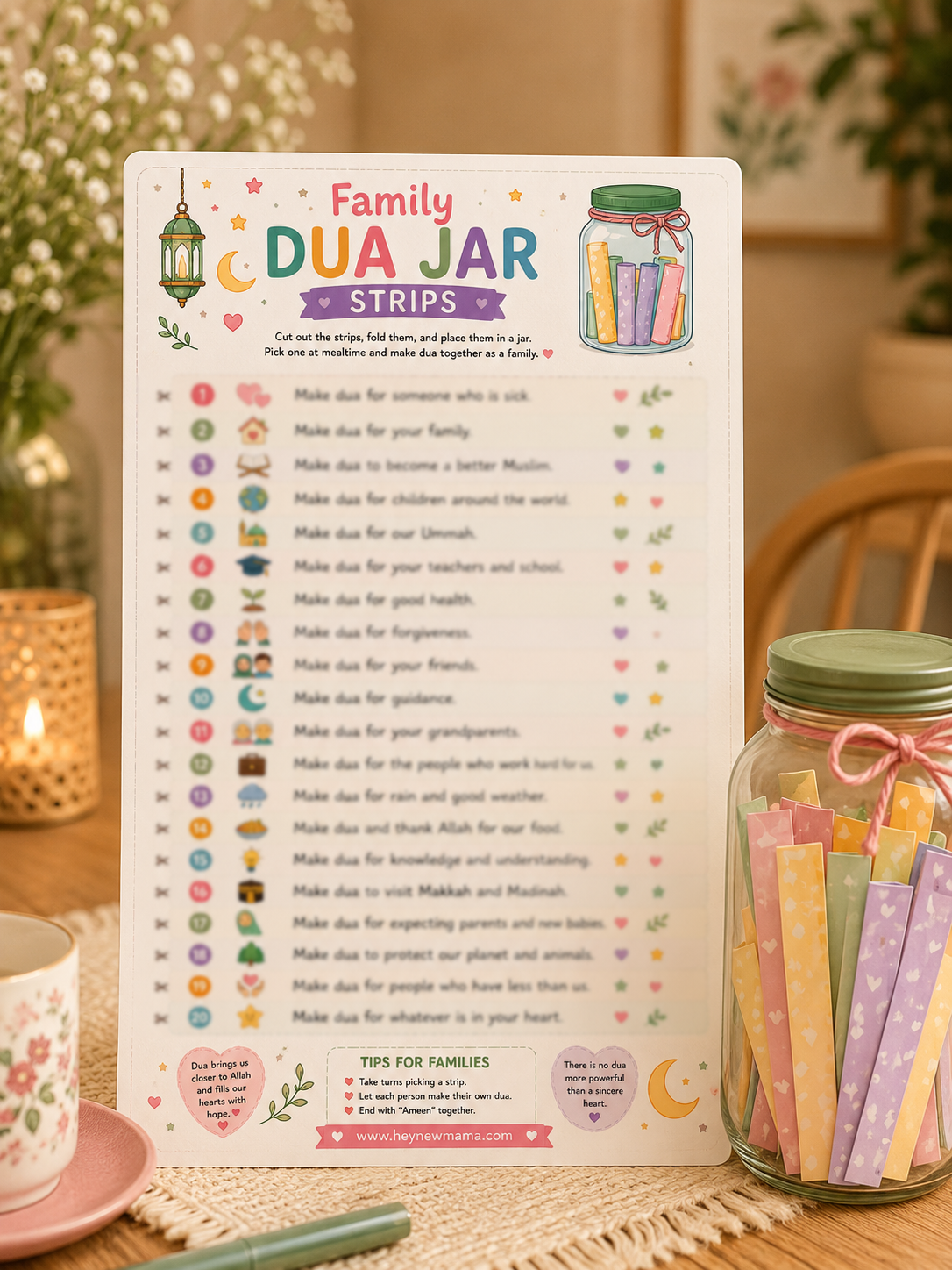
Making dua.
Praying salah.
Showing kindness.
Reading Quran.
But it's easy to feel discouraged when children remember one day and forget the next.
The truth is that lasting habits are rarely built overnight.
They grow through small, consistent actions repeated over time.
The goal isn't to teach everything at once.
The goal is to help one good habit become part of everyday life before moving on to the next.
01Small Habits Are Easier to Remember
Children learn best when they focus on one simple habit at a time.
Trying to introduce several new routines at once can quickly become overwhelming for both parents and children.
Instead, choose one habit to practice consistently.
When it becomes familiar, introduce another.
Small successes build confidence.
02Connect Habits to Existing Routines
New habits are easier to remember when they are linked to something children already do every day.
For example:
- Say Bismillah before meals.
- Make a short dua before bedtime.
- Say Alhamdulillah after finishing a meal.
- Smile and greet family members in the morning.
Attaching new habits to existing routines helps them become part of everyday life.
03Model the Habits You Want to Teach
Children notice what adults do far more than what adults say.
When they regularly see parents making dua, praying, thanking Allah, or showing kindness, these actions become normal parts of family life.
Children often imitate what they experience consistently.
04Celebrate Consistency, Not Perfection
Some days your child will remember.
Other days they won't.
That is completely normal.
Instead of focusing on mistakes, celebrate effort.
A child who remembers to say Bismillah without a reminder has taken an important step.
Small victories deserve encouragement.
05Make Habits Meaningful
Children are more likely to continue a habit when they understand why it matters.
Instead of simply asking them to memorize words, explain their purpose in simple language.
For example:
- We say Bismillah because we remember Allah before we eat.
- We make dua because Allah listens to us.
- We say Alhamdulillah because we are thankful for our blessings.
Meaning gives children a reason to continue practicing.
06Keep the Experience Positive
Habits grow best in an encouraging environment.
Gentle reminders, praise, and family participation help children enjoy the learning process.
Pressure and perfection often have the opposite effect.
The goal is to build a love for these habits, not simply complete a checklist.
07Progress Happens One Day at a Time
Good habits are built through repetition.
One conversation.
One reminder.
One small success.
Over weeks and months, those small moments become routines that children carry into everyday life.
The journey may feel slow, but every consistent step matters.
Raising Children Through Everyday Habits
Islamic education is not limited to lessons or worksheets.
It happens through the ordinary moments repeated every day.
By focusing on one habit at a time, parents create a realistic and sustainable approach to nurturing faith.
Those small habits, practiced consistently, often become the strongest foundations for a lifetime of worship.