Parenting
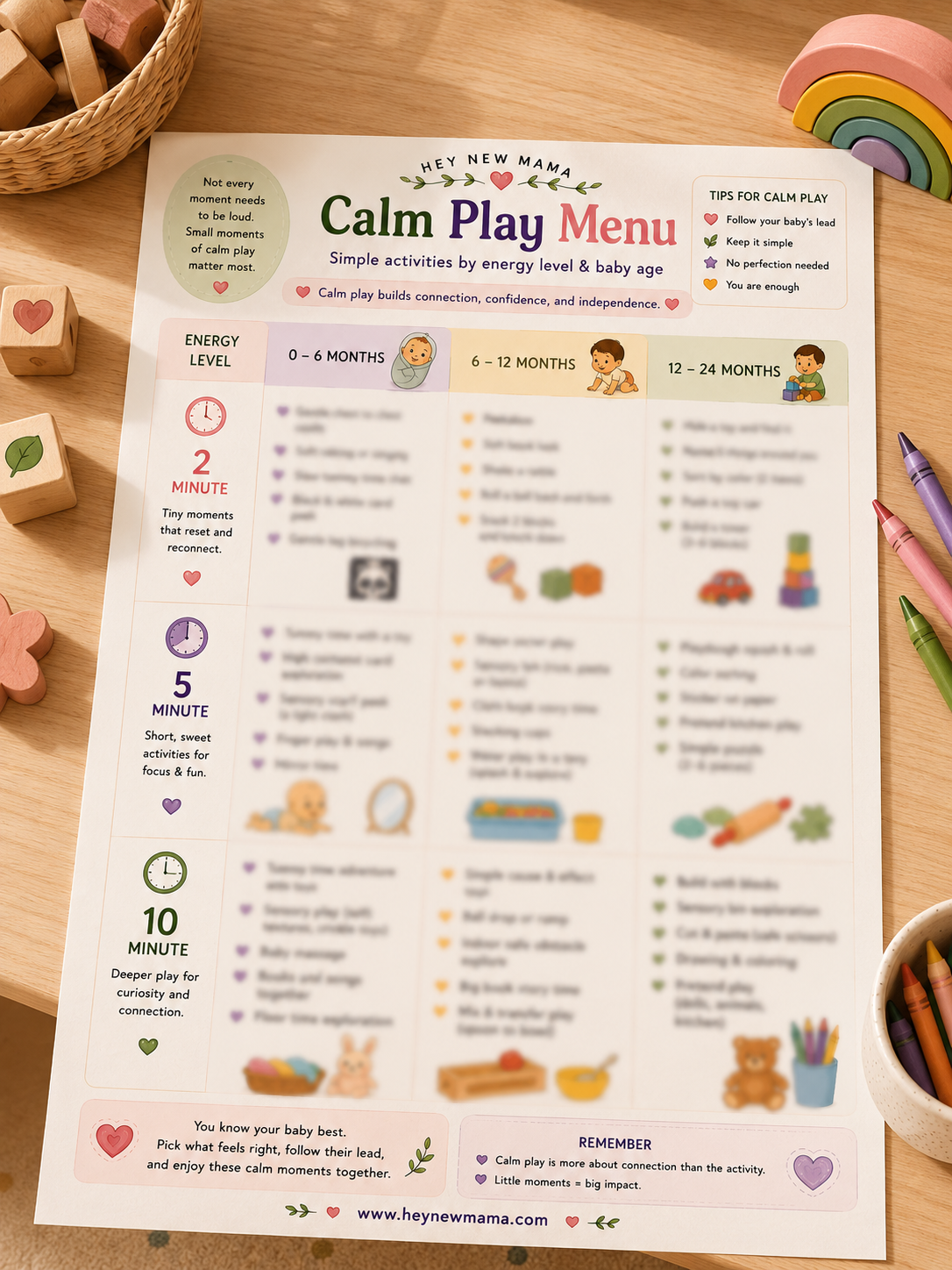
Stop Wondering What Activity to Do Next
Simple ways to match everyday activities to your child's current skills and interests.
Many parents want to support their child's development but aren't always sure how.
You notice your child stacking blocks, pointing at pictures, climbing furniture, or trying to use a spoon independently.
You wonder:
- Is this normal?
- What should we be working on?
- What activities would help?
- Am I doing enough?
The good news is that supporting development doesn't require expensive toys, complicated lesson plans, or constant research.
In many cases, the best activities are simple opportunities to practice skills children are already trying to learn.
Children Develop Through Everyday Experiences
Development isn't something that only happens during structured activities.
Children learn while:
- Playing
- Exploring
- Climbing
- Building
- Drawing
- Reading
- Helping with household tasks
Many important skills develop naturally through everyday experiences.
The challenge for parents is often knowing which activities best support the skills their child is currently working on.
Development Looks Different for Every Child
It can be tempting to compare children to friends, siblings, or milestones shared online.
In reality, children develop at different rates.
One child may love climbing.
Another may spend hours looking at books.
Another may become interested in drawing, sorting, or pretend play.
All of these experiences contribute to learning and development.
Activities Work Best When They Match Current Skills
Parents often feel pressure to introduce more advanced activities.
However, children usually benefit most from activities that match what they are currently practicing.
When activities feel achievable, children are more likely to:
- Stay engaged
- Build confidence
- Practice longer
- Enjoy the learning process
The goal is not to rush development.
The goal is to support it.
Play Is Powerful Learning
Young children learn through play.
While an activity may look simple to adults, children are often developing important skills at the same time.
Activities can support areas such as:
- Fine motor skills
- Gross motor skills
- Communication
- Problem-solving
- Creativity
- Independence
- Social skills
Play allows children to practice these skills in meaningful ways.
You Don't Need More Activities
Many parents already have enough toys, books, and materials at home.
What they often need is clarity.
Knowing which activities align with a child's current interests and developmental stage can make planning much easier.
This reduces the pressure to constantly search for new ideas.
Follow Your Child's Lead
Children often show us what they are ready to learn.
When a child repeatedly returns to a certain activity, they may be practicing an important skill.
Observing these interests can provide valuable clues about what kinds of activities to offer next.
Development Doesn't Need to Feel Complicated
Supporting your child's growth doesn't require turning your home into a classroom.
Simple, intentional opportunities for play and exploration are often enough.
The goal is not to create a perfect learning environment.
The goal is to provide experiences that help children build skills through everyday life.