Lifestyle
Teaching Children That Sadaqah Is More Than Giving Money
Generosity is a way of living. Help your children discover the many small acts that count as sadaqah.
When many people think of sadaqah, they picture putting money into a donation box.
While financial charity is incredibly important, Islam teaches us that generosity is much bigger than that.
- A smile.
- Helping a neighbor.
- Sharing food.
- Removing something harmful from a pathway.
- Speaking kindly.
- Making dua for someone.
Children who grow up understanding this learn that they can make a difference every day, regardless of their age or how much money they have.
01Generosity Begins at Home
Children don't learn generosity from one conversation. They learn it by watching the people around them.
When they see parents sharing meals, helping relatives, supporting neighbors, and giving regularly, they begin to understand that generosity is simply part of everyday Muslim life.
Your example becomes their greatest lesson.
02Small Acts Count
It's easy to think that only large donations make an impact. In reality, many small acts performed consistently can shape a generous heart.
Children can participate by:
- Sharing toys with younger siblings.
- Helping prepare food for someone else.
- Choosing clothes to donate.
- Carrying groceries for a neighbor.
- Smiling and greeting others warmly.
- Making dua for someone who is unwell.
These moments teach that sadaqah is a way of living, not an occasional event.
03Let Children Be Part of Giving
Whenever possible, involve children in acts of charity. Instead of simply telling them that you donated, let them participate.
They might help:
- Pack a food hamper.
- Choose books to give away.
- Deliver a meal to a neighbor.
- Place coins into a charity collection.
- Bake something for a friend.
Participation creates memories, and memories often shape lifelong habits.
04Talk About the Why
Children are naturally curious. Explain in simple language why Muslims give.
Not because people deserve less. Not because we have extra. But because Allah has blessed us, and we care for others.
Helping children understand the purpose behind sadaqah makes generosity meaningful rather than routine.
05Think Beyond Today
One of the beautiful things about teaching generosity is that it doesn't end with one act.
A child who grows up valuing charity may one day teach the same habit to their own children. One simple family tradition can continue for generations.
This is how a legacy begins.
06Create Family Traditions Around Giving
Giving becomes easier when it becomes part of your family's rhythm.
Perhaps your family:
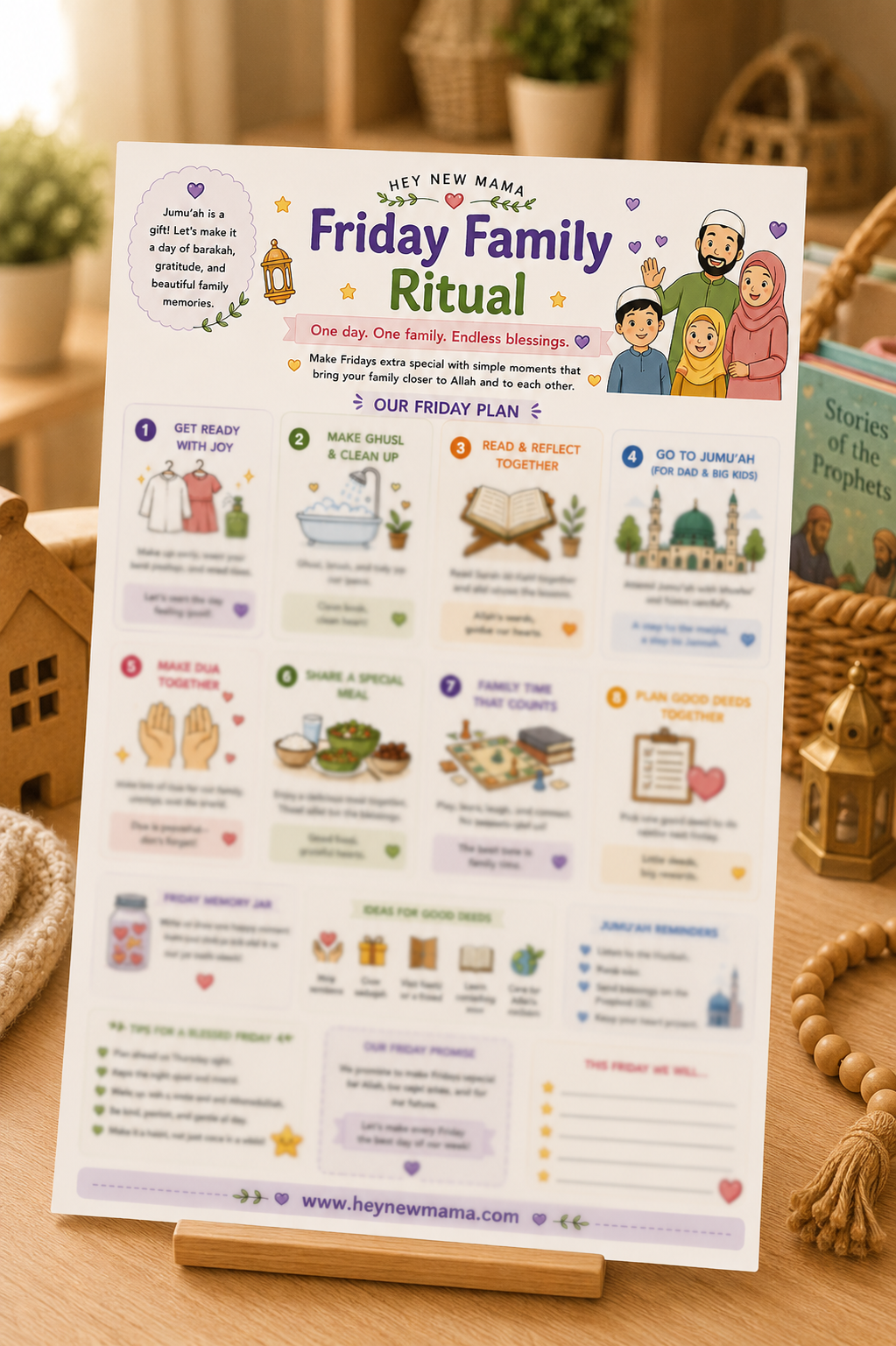
- Gives charity every Jumu'ah.
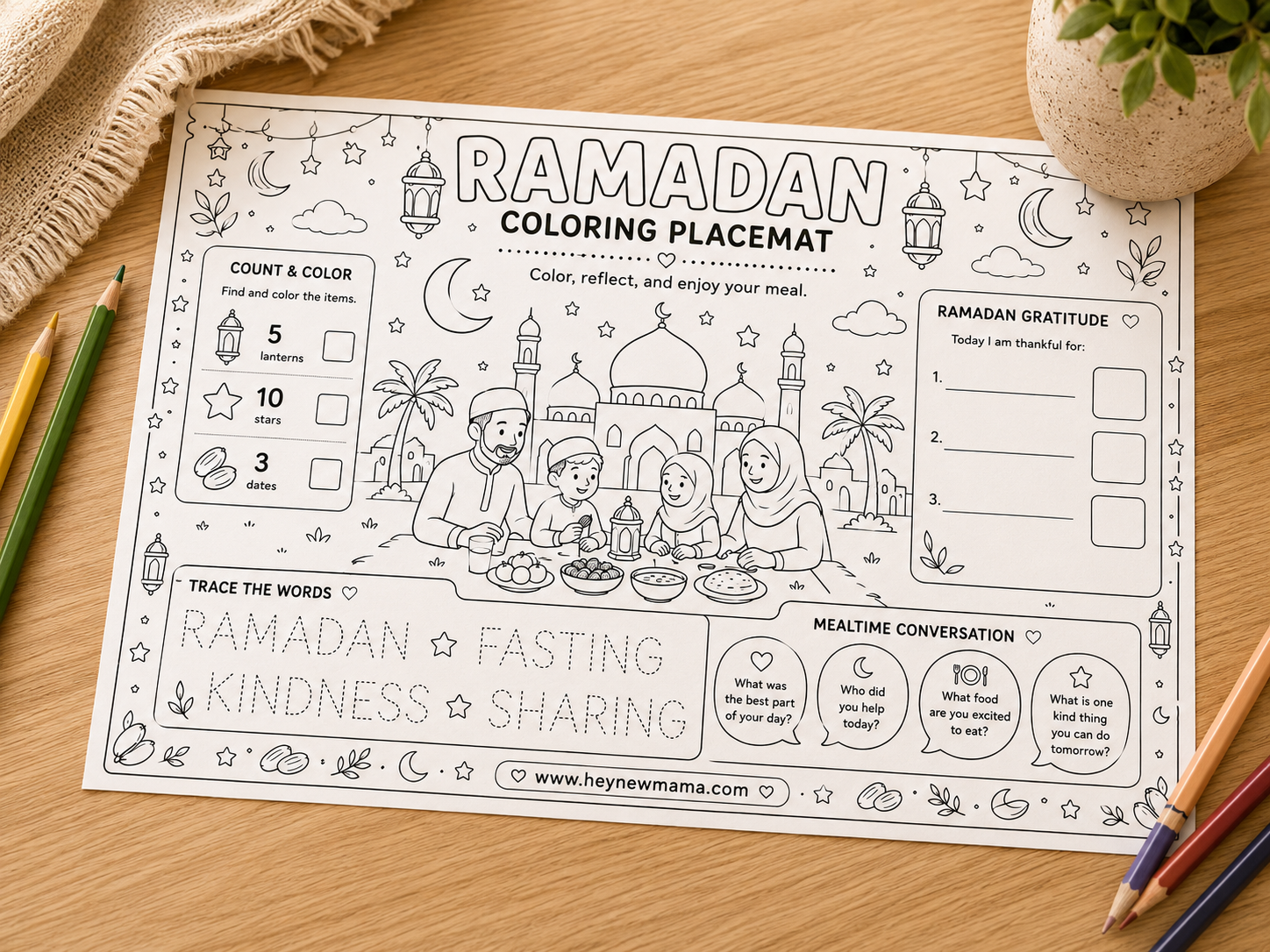
- Packs food hampers during Ramadan.
- Donates toys before Eid.
- Chooses one community project to support each year.
- Makes dua together for people in need.
Simple traditions help generosity become part of your family's identity.
07The Greatest Legacy Is a Generous Heart
Children may not remember every toy they owned or every gift they received. But they are likely to remember the way generosity was lived in their home.
- The people you helped.
- The meals you shared.
- The kindness you showed.
Those experiences quietly shape the adults they will become.
A family that gives together leaves behind something far greater than possessions. It leaves behind a legacy of compassion, service, and faith.