Parenting
Why Independent Play Matters (And How to Get Started)
A skill children can develop through small steps and realistic expectations.
Many parents wish their child would play independently for longer periods of time.
Not because they want to ignore their child.
But because real life still needs to happen.
Meals need to be prepared.
Laundry needs to be folded.
Messages need to be answered.
Sometimes parents simply need a few quiet minutes to themselves.
The good news is that independent play is a skill children can develop over time.
Like any skill, it grows through practice and realistic expectations.
Independent Play Doesn't Mean Playing Alone All Day
When people hear the phrase "independent play," they sometimes imagine a child happily entertaining themselves for hours.
For most young children, that's not realistic.
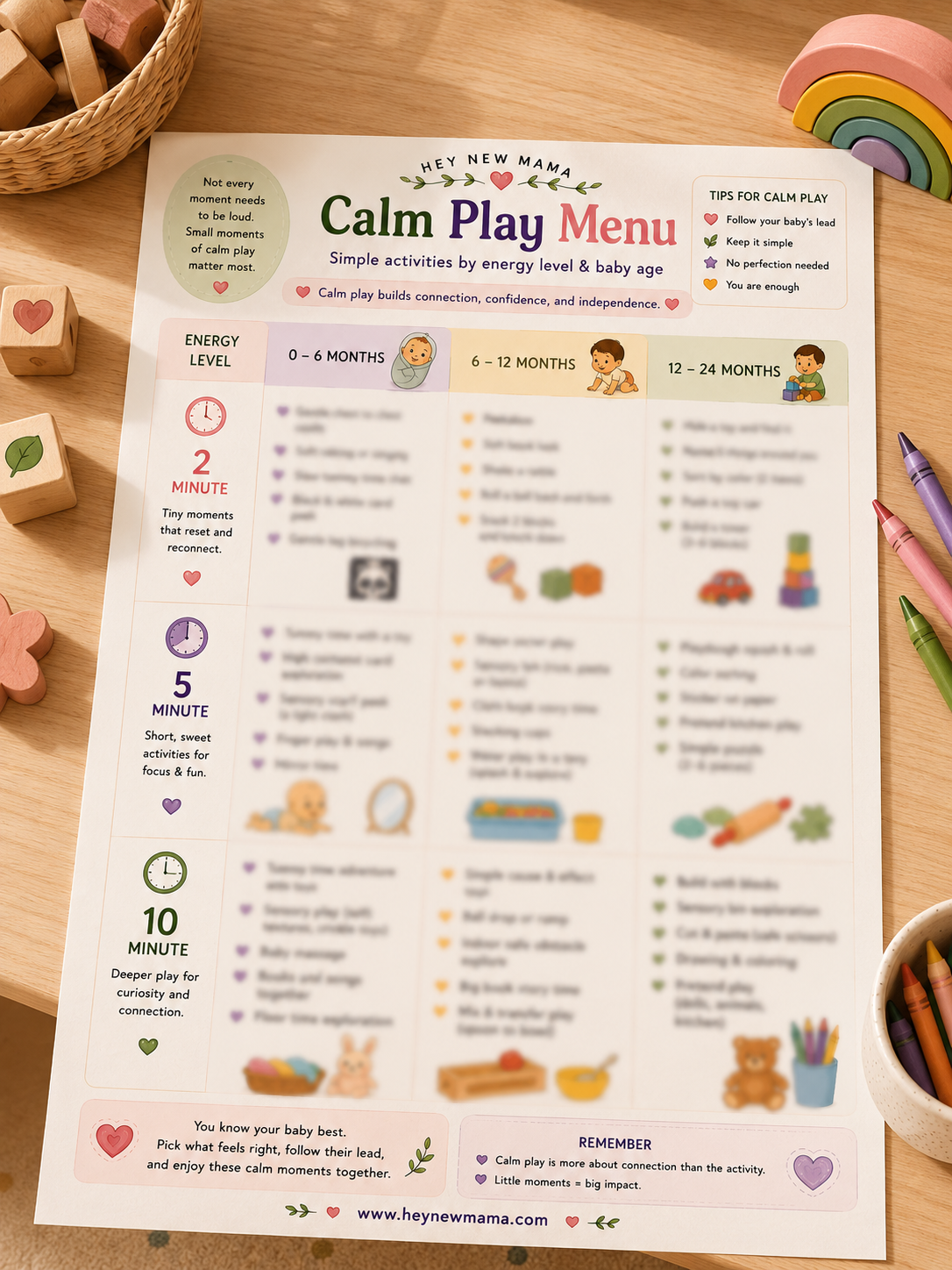
Independent play often begins with just a few minutes at a time.
A child might:
- Stack blocks
- Look through books
- Play with toy animals
- Explore a sensory activity
- Pretend with dolls or vehicles
These small moments gradually build confidence and focus.
Why Independent Play Benefits Children
Independent play helps children develop important skills including:
- Creativity
- Problem-solving
- Decision-making
- Concentration
- Confidence
When children have opportunities to direct their own play, they learn how to create their own fun rather than relying on constant entertainment.
Why Some Children Struggle With Independent Play
Many children are not given many opportunities to practice independent play.
Their days may be filled with:
- Structured activities
- Adult-led play
- Screens
- Constant interaction
As a result, being expected to play independently can feel unfamiliar.
This doesn't mean they cannot learn.
It simply means they need practice.
Start Small
One of the biggest mistakes parents make is expecting too much too soon.
Instead of aiming for long stretches of independent play, begin with short periods.
A few focused minutes can be a great starting point.
Consistency matters more than duration.
Create a Simple Play Environment
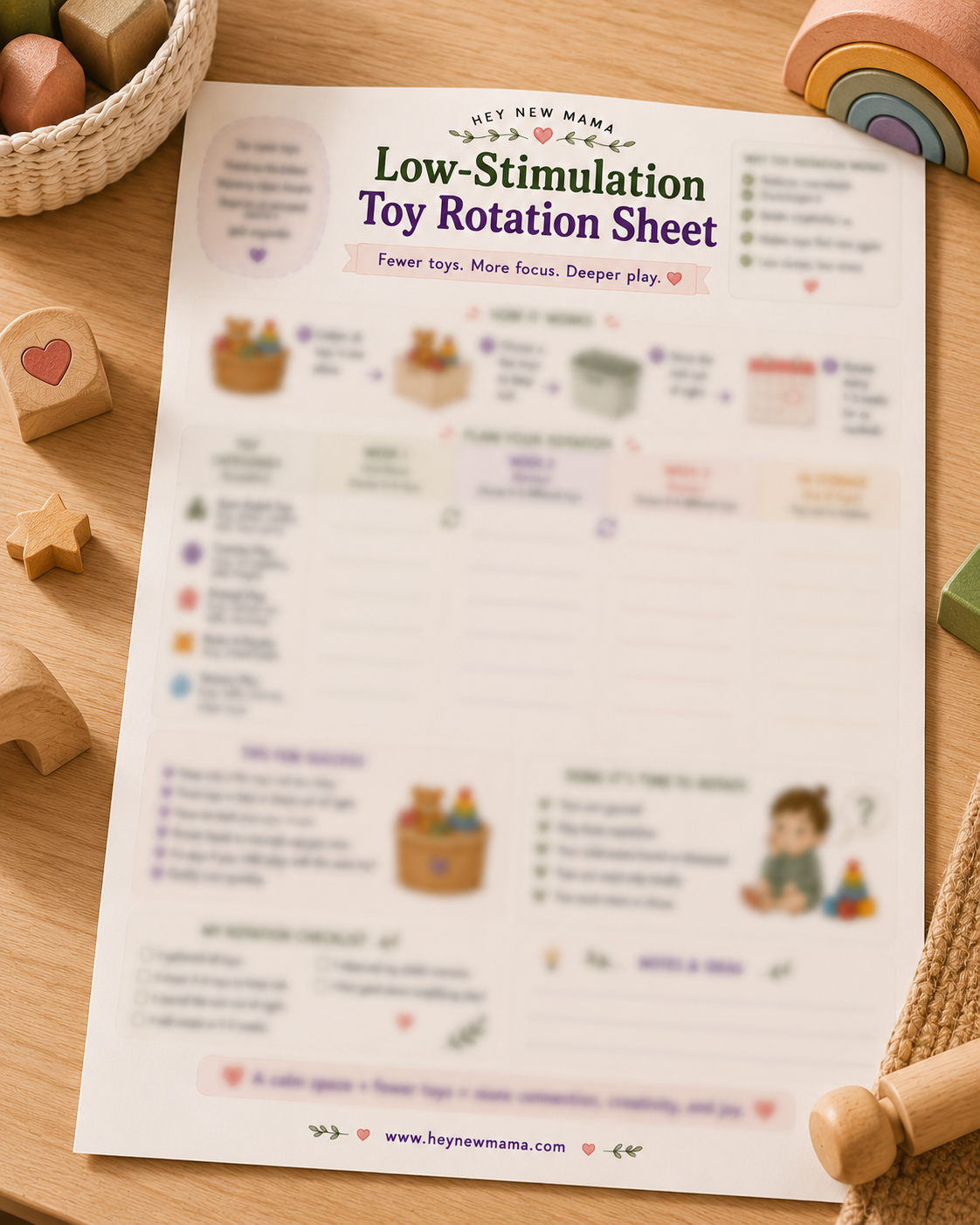
Children often play more deeply when they have access to a small number of engaging toys.
Too many options can feel overwhelming.
Simple, open-ended toys often encourage longer periods of play because they can be used in many different ways.
Resist the Urge to Direct Everything
It can be tempting to suggest what children should build, create, or imagine.
Sometimes the most valuable play happens when adults step back.
Children often develop their best ideas when given space to explore independently.
Expect Gradual Progress
Some days independent play will go smoothly.
Other days your child may check in with you every few minutes.
Both are normal.
Independent play develops gradually through repeated opportunities rather than overnight success.
Focus on Building the Habit
The goal is not to create a child who never needs attention.
The goal is to help children become comfortable spending short periods of time engaged in their own ideas and activities.
Over time, these small moments can grow into longer periods of focused play.
Independence Starts With Small Steps
Children do not learn independent play from a single activity.
They learn through consistent opportunities to explore, create, and play on their own.
A simple plan, realistic expectations, and a supportive environment can help make independent play feel achievable for both children and parents.
Small steps today often lead to greater confidence tomorrow.