Feeding
Feeding Your Baby Without Stress
Simple meals. Less pressure. A calmer approach to starting solids.
If feeding your baby feels overwhelming, you're not alone.
One expert says to offer vegetables first. Another says to focus on allergens. Social media is filled with elaborate meal ideas, expensive gadgets, and perfectly arranged plates.
It's easy to feel like you're falling behind.
The truth is that most babies don't need complicated meals. They need regular opportunities to explore food, practice eating skills, and join family mealtimes.
Focus on Progress, Not Perfect Meals
Every meal does not need to be balanced, colorful, or Instagram-worthy.
Some days your baby may eat everything on the plate. Other days they may throw most of it on the floor.
Both are normal.
Learning to eat is a skill, and skills take time.
Start With Foods Your Family Already Eats
You don't need separate baby recipes for every meal.
Look at what your family is already eating and ask:
- Can this be softened?
- Can this be mashed?
- Can this be cut into strips or small pieces?
- Can I reduce the salt and season adult portions separately?
A family meal is often the easiest baby meal.
Keep Meals Simple
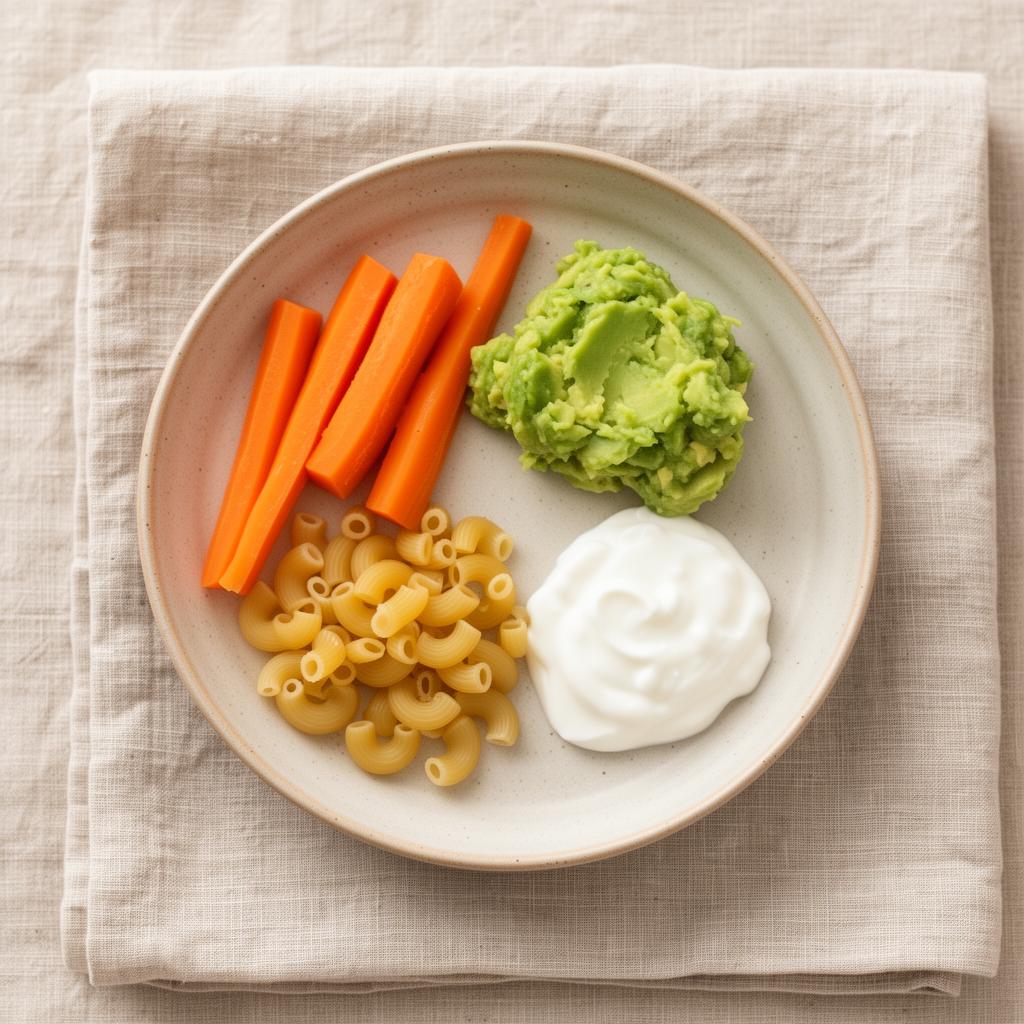
Many parents find success using a simple formula:
Base + Protein + Fruit or Vegetable
Examples
- Rice + lentils + carrots
- Pasta + chicken + peas
- Toast + egg + avocado
- Yogurt + fruit
Simple meals are easier to prepare consistently than complicated recipes.
Repetition Is Normal
Babies often need multiple exposures before accepting a new food.
If your baby ignores a food today, that doesn't mean they dislike it.
Keep offering familiar foods alongside new foods without pressure.
Consistency matters more than variety.
Let Your Baby Explore
Touching, squishing, licking, and even throwing food are part of learning.
Exploration helps babies become comfortable with different textures, colors, and smells.
Not every meal needs to result in a full stomach to be successful.
Reduce Mealtime Pressure
Try to avoid
- Airplane spoons
- Bribes
- Negotiations
- Forcing bites
- Constantly counting how much was eaten
Instead, focus on creating a calm environment where food is offered regularly.
Your job is to provide food.
Your baby's job is to decide whether to eat and how much.
Make Feeding Easier on Yourself
Practical tips
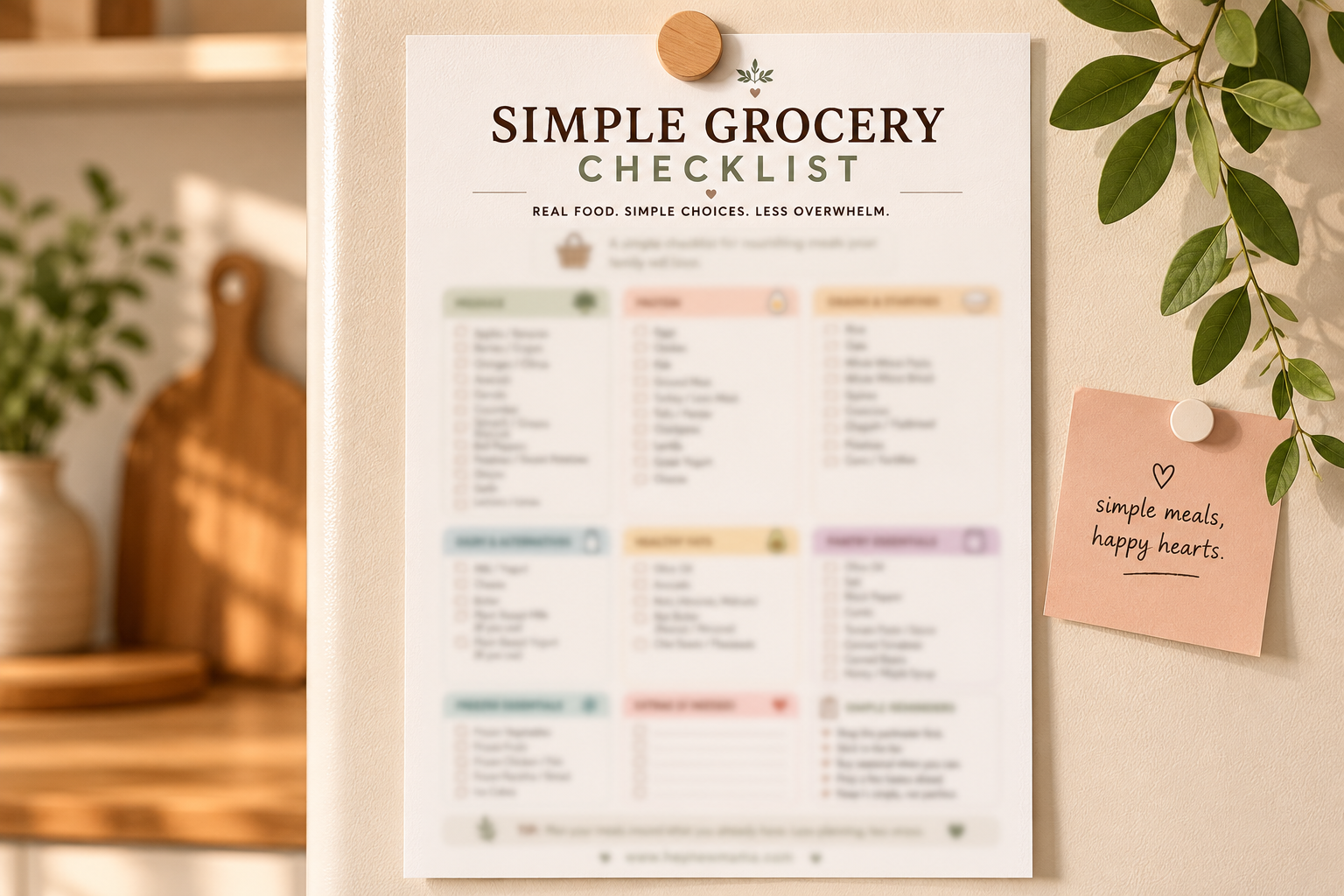
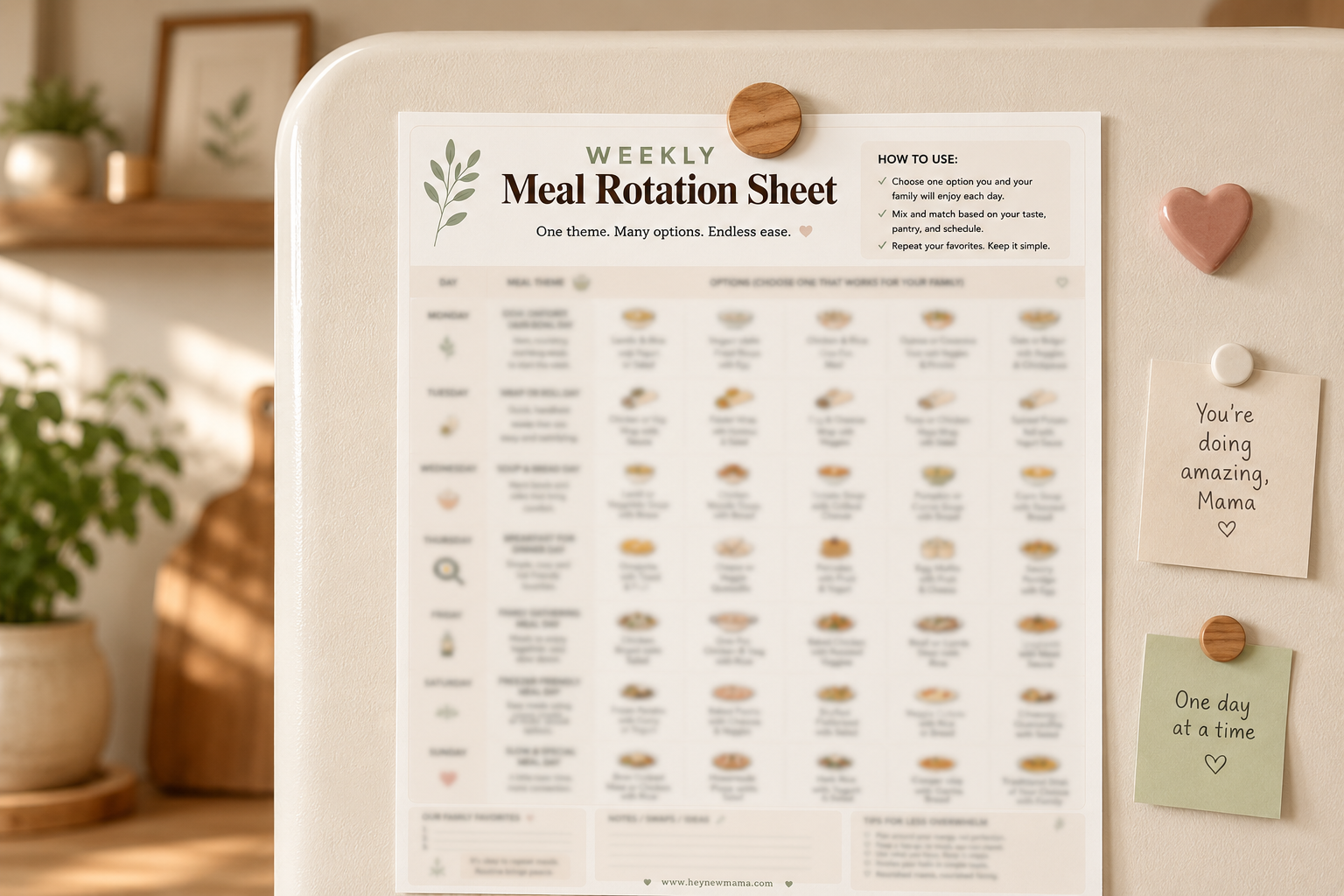
- Keep a short list of go-to meals
- Use frozen vegetables when needed
- Batch cook when you have extra energy
- Repeat meals often
- Choose convenience when life feels busy
A fed baby does not need a gourmet meal.
Remember What Matters
Feeding your baby is not about creating perfect meals.
It's about helping your child build a positive relationship with food while reducing stress for the whole family.
Small, consistent actions matter far more than complicated recipes.