Feeding
Halal Ingredient Awareness for Muslim Families
Simple label checks. Practical swaps. Less stress in the grocery aisle.
Walking through the grocery store can feel overwhelming for Muslim parents.
Many packaged foods contain long ingredient lists filled with unfamiliar terms. While halal certification can make shopping easier, not every product carries a certification, leaving families unsure about what to look for.
The goal isn't to memorize hundreds of ingredients. It's to understand a few common categories that deserve a closer look when reading food labels.
Start With a Simple Label Check
Before purchasing a packaged food, consider the following questions:
- Is there a halal certification?
- Does the ingredient list contain gelatin?
- Does it contain enzymes?
- Are there alcohol-based flavorings?
- Are emulsifiers listed without a clear source?
- Is the ingredient list easy to understand?
If something seems unclear, it's worth taking a closer look before purchasing.
Common Ingredients That Often Require a Second Look
Gelatin
Gelatin is commonly found in gummies, marshmallows, desserts, and some yogurts. The source of gelatin matters, so many Muslim families choose certified halal products when gelatin is present.
Enzymes
Enzymes may be found in cheese, crackers, bread, and baked goods. The source is not always listed on packaging, which is why certification can be helpful.
Natural Flavors
Natural flavors can come from a variety of sources. Many products containing natural flavors are perfectly acceptable, but some families prefer to look for certification or contact the manufacturer when unsure.
Emulsifiers
Common examples include mono- and diglycerides and certain E-numbers. These ingredients may be derived from either plant or animal sources depending on the manufacturer.
Vanilla Extract
Some vanilla extracts contain alcohol. Many stores also carry alcohol-free vanilla options for families who prefer them.
Rennet
Rennet is commonly used in some cheeses. It may come from animal or microbial sources depending on the product.
Foods That Often Deserve a Label Check
Many everyday foods are simple and straightforward. Others may contain ingredients that require a closer look.
- Candy
- Cookies
- Cakes
- Frosting
- Cheese
- Breakfast cereals
- Ice cream
- Flavored drinks
Checking labels becomes easier with practice, and many parents quickly learn which products work well for their family.
A Practical Family Rule
When unsure, check the certification, contact the manufacturer, or choose a simpler alternative.
This approach helps reduce stress while still allowing families to make informed decisions.
Focus on Solutions, Not Restrictions
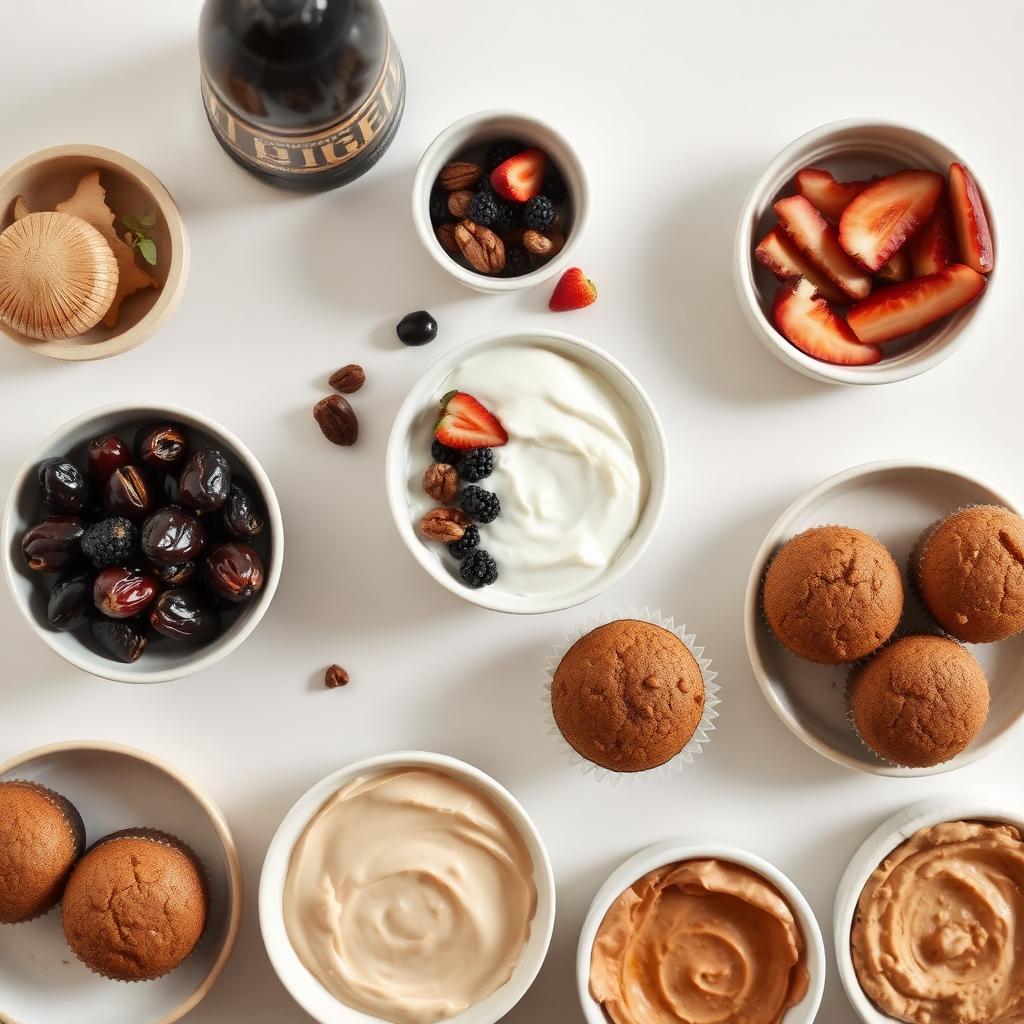
Building a halal-friendly kitchen doesn't have to rely on specialty products. Simple whole foods often make excellent alternatives.
Simple swaps
- Candy → dates and fruit
- Flavored yogurt → plain yogurt with fruit
- Packaged desserts → homemade muffins
- Sugary snacks → nuts and fruit
- Processed snacks → cheese, eggs, or hummus
Simple foods often come with shorter ingredient lists and fewer questions.
Teaching Children About Food Choices
Halal awareness can become a natural part of everyday family life. You can involve children by teaching simple habits:
- We read labels together.
- We learn where food comes from.
- We choose food with care.
- We thank Allah for our food.
These small conversations help children develop confidence and understanding as they grow.
Building Confidence One Label at a Time
You don't need to become an ingredient expert overnight.
Learning a few common ingredients, choosing trusted products, and focusing on simple foods can make grocery shopping feel far less overwhelming.
Like many parenting skills, confidence grows with practice.