Parenting
You Don’t Need a Pinterest-Perfect Learning Shelf
A simple, organized shelf can invite curiosity and independent play without more toys.
Search online for “learning shelf” and you’ll find beautifully styled playrooms filled with expensive wooden toys, matching baskets, and carefully coordinated colors.
While these spaces can be inspiring, they can also leave parents wondering if they need to buy more in order to support their child’s learning.
The truth is that children don’t need a picture-perfect learning shelf.
They need a simple, organized space that invites them to explore.
A thoughtfully planned shelf can encourage curiosity, independence, and focused play without filling your home with more toys.
What Is a Learning Shelf?
A learning shelf is a small, accessible space where children can independently choose activities.
Unlike a toy box filled with everything they own, a learning shelf offers a limited number of carefully selected activities.
The goal is not to display every toy.
The goal is to make choosing and exploring easier.
Why Less Is Often More
When children have too many options, they may struggle to decide what to play with.
A simpler shelf helps children:
- Focus on one activity at a time
- Explore materials more deeply
- Return items independently
- Feel confident making choices
A calm environment often encourages calmer play.
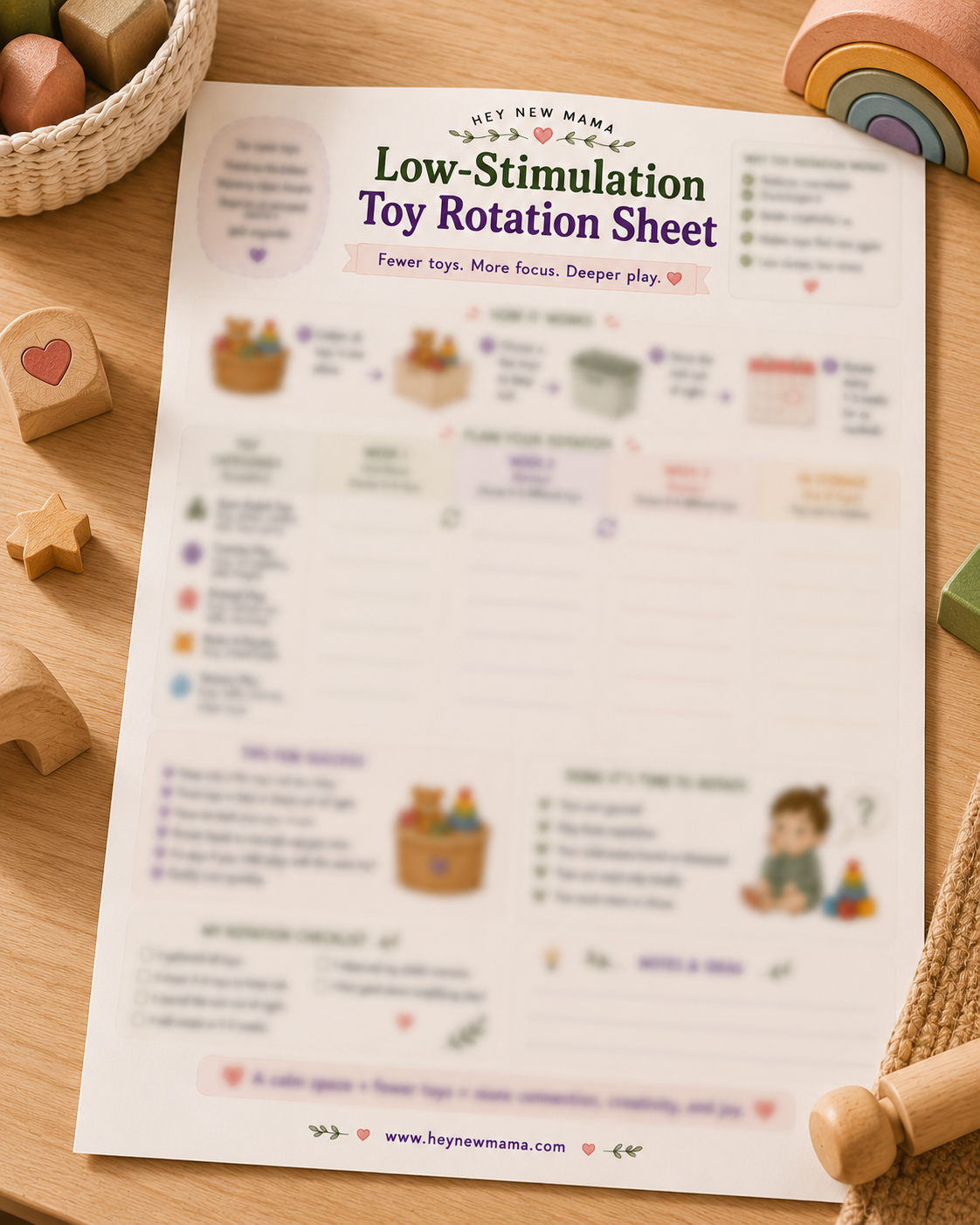
Rotate Instead of Buying More
Many parents assume a learning shelf needs new materials every week.
In reality, rotating existing toys can make the shelf feel fresh without spending more money.
A toy that has been stored away for a few weeks often feels new and exciting when it returns.
This approach also helps reduce clutter while keeping children engaged.
Include a Variety of Learning Experiences
A balanced learning shelf doesn’t need dozens of activities.
Instead, aim for a small mix that encourages different types of learning.
You might include materials that support:
- Fine motor skills
- Problem-solving
- Language
- Creativity
- Practical life skills
- Pretend play
The exact activities will vary from family to family, and that’s perfectly okay.
Keep Activities Within Reach
Children are more likely to use materials independently when they can easily see and access them.
A shelf arranged at your child’s height encourages:
- Making choices
- Returning items when finished
- Taking responsibility for their space
These small moments help build independence over time.
Follow Your Child’s Interests
A learning shelf should grow with your child.
If they become interested in animals, building, drawing, or sorting, allow the shelf to reflect those interests.
Children are often more engaged when activities connect with what they are already curious about.
The shelf does not need to look the same every month.
Keep It Simple to Maintain
The best learning shelf is one you can realistically maintain.
It does not need matching containers or expensive educational materials.
Using books, puzzles, blocks, art supplies, and household items you already own is often enough.
A simple system is more likely to become part of your everyday routine.
A Shelf That Supports Independent Learning
A learning shelf is not about creating the perfect play space.
It is about creating an environment where children can explore, make choices, and learn independently.
When thoughtfully organized, even a small shelf can encourage curiosity, confidence, and meaningful play.
Sometimes the most effective learning spaces are also the simplest.